
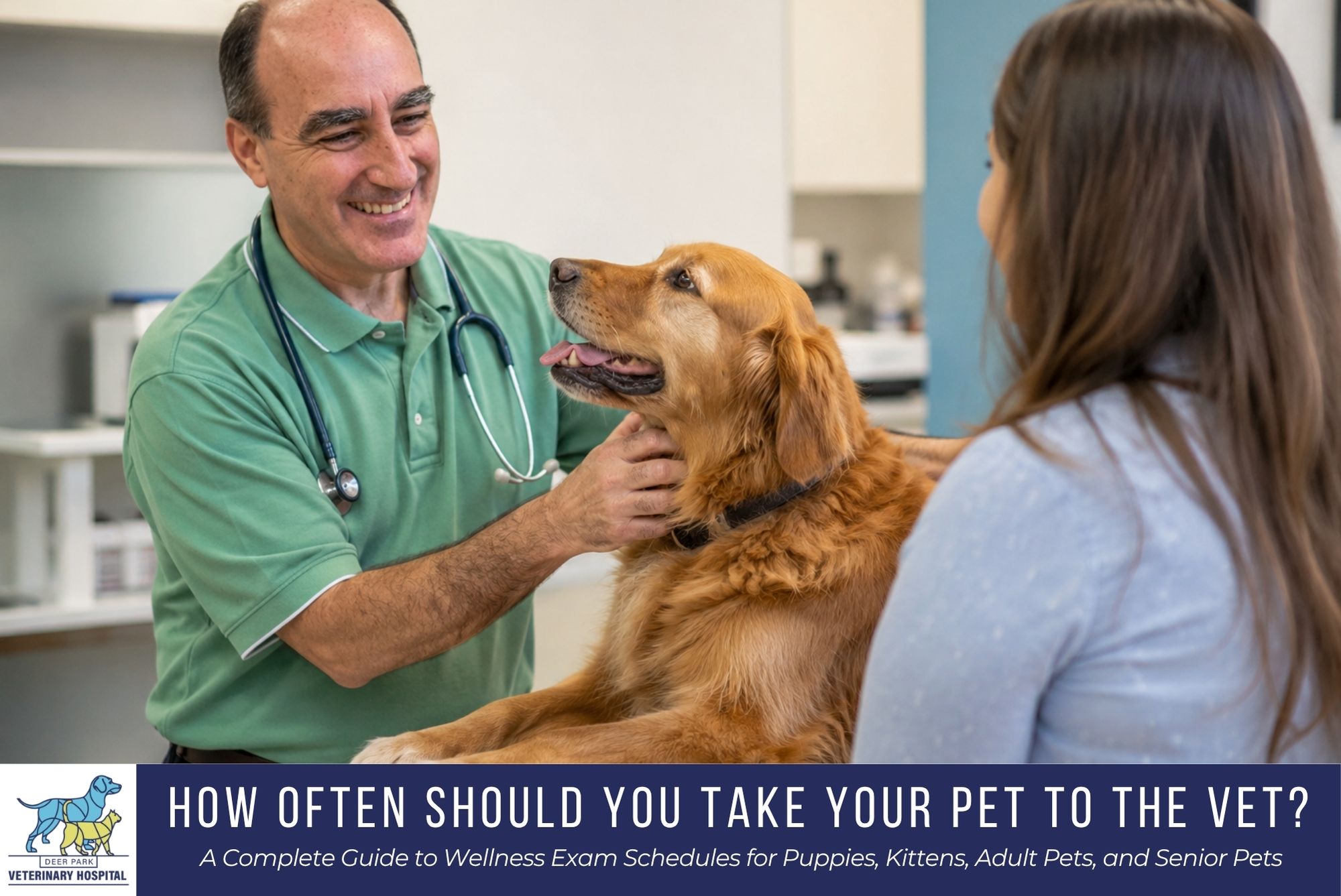
 A Complete Guide to Wellness Exam Schedules for Puppies, Kittens, Adult Pets, and Senior Pets
Keeping your pet healthy involves much more than treating illnesses when they occur. Routine veterinary visits are one of the most effective ways to help your dog or cat live a longer, healthier, and happier life. Preventive veterinary medicine allows veterinarians to detect health concerns early, administer vaccinations, monitor growth and aging, recommend nutrition adjustments, and identify subtle medical conditions before they become serious.
Many pet owners wonder how often their pet should see a veterinarian. The answer depends on several factors, including age, species, breed, lifestyle, and overall health. Puppies and kittens require frequent visits during their first year, while healthy adults generally benefit from annual wellness exams. Senior pets often require more frequent evaluations because age-related diseases become increasingly common.
At Deer Park Veterinary Hospital, we believe preventive care is one of the greatest investments you can make in your pet’s lifelong health. Regular wellness examinations provide opportunities to monitor your pet’s physical condition while helping you stay informed about nutrition, parasite prevention, dental health, behavior, and disease prevention.
Why Preventive Veterinary Care Matters
Routine wellness examinations are designed to evaluate your pet’s overall health, even when they appear perfectly healthy. Animals instinctively hide signs of illness, making it difficult for owners to recognize problems during their earliest stages.
During preventive visits, your veterinarian performs a comprehensive examination that may identify conditions such as:
- Dental disease
- Heart disease
- Arthritis
- Obesity
- Skin disorders
- Ear infections
- Hormonal disorders
- Kidney disease
- Liver disease
- Diabetes
- Cancer
- Vision and hearing changes
- Mobility concerns
Early detection frequently leads to more treatment options, improved outcomes, lower medical costs, and a higher quality of life.
Preventive care also helps ensure your pet remains protected against infectious diseases through appropriate vaccination schedules and year-round parasite prevention.
Wellness Exams for Puppies
The first year of life is one of the most important periods for preventive veterinary care.
Young puppies experience rapid physical growth while their immune systems continue to develop. They require multiple veterinary visits to receive vaccinations, monitor development, discuss nutrition, and identify congenital conditions.
Recommended Schedule
Most puppies should visit the veterinarian:
- Around 6–8 weeks of age
- Every 3–4 weeks until approximately 16 weeks old
- Around six months for additional evaluation
- At one year of age for their adult wellness examination
Your veterinarian will tailor the schedule based on your puppy’s breed, health status, and risk factors.
What Happens During Puppy Wellness Visits?
Each visit typically includes:
- Complete physical examination
- Weight monitoring
- Growth evaluation
- Vaccinations
- Deworming
- Parasite screening
- Fecal testing
- Nutrition recommendations
- Behavioral guidance
- Socialization advice
- Microchip discussion
- Spay or neuter planning
These appointments establish a strong foundation for lifelong health.
Wellness Exams for Kittens
Like puppies, kittens require several veterinary visits during their first few months of life.
Because kittens mature rapidly and are vulnerable to infectious diseases, regular veterinary care is essential for healthy development.
Recommended Schedule
Most kittens should be examined:
- Beginning around 6–8 weeks of age
- Every 3–4 weeks until approximately 16 weeks
- Around six months
- At one year for adult wellness care
Indoor cats also require regular veterinary care despite limited exposure to outdoor environments.
What Happens During Kitten Visits?
Routine kitten exams often include:
- Physical examinations
- Weight monitoring
- Growth assessments
- Vaccinations
- Parasite control
- Fecal examinations
- Nutrition counseling
- Behavioral advice
- Dental development monitoring
- Spay or neuter planning
- Microchipping
These visits also provide an excellent opportunity to discuss litter box habits, scratching behavior, environmental enrichment, and proper nutrition.
Annual Wellness Exams for Adult Dogs and Cats
Once pets reach adulthood, many healthy animals benefit from yearly wellness examinations.
Annual exams help identify subtle changes that develop gradually and often go unnoticed at home.
Even if your pet appears healthy, a yearly examination provides valuable information about changes in:
- Weight
- Muscle condition
- Heart function
- Lung health
- Skin and coat
- Eyes
- Ears
- Teeth
- Joint mobility
- Behavior
Your veterinarian will also review:
- Vaccination status
- Parasite prevention
- Nutrition
- Exercise
- Dental care
- Lifestyle changes
- Breed-specific health risks
Many adult pets also benefit from routine laboratory screening to establish baseline health values for future comparison.
Senior Pets Need More Frequent Veterinary Visits
As pets age, their healthcare needs change significantly.
Dogs and cats are generally considered seniors around seven years of age, although larger dog breeds often age more quickly than smaller breeds.
Because senior pets develop medical conditions more frequently, veterinarians often recommend wellness examinations every six months.
Why Every Six Months?
A six-month interval allows veterinarians to identify developing diseases before symptoms become severe.
Senior wellness visits often include monitoring for:
- Arthritis
- Kidney disease
- Heart disease
- Liver disease
- Thyroid disorders
- Diabetes
- High blood pressure
- Vision loss
- Hearing loss
- Cognitive dysfunction
- Cancer
Since pets age much faster than humans, six months can represent several years of biological aging.
What to Expect During a Wellness Examination
Every wellness appointment begins with a thorough discussion about your pet’s overall health.
Your veterinarian will ask questions about:
- Appetite
- Water consumption
- Activity level
- Behavior
- Bathroom habits
- Medications
- Mobility
- Sleep patterns
- Weight changes
A complete physical examination typically includes evaluation of:
- Eyes
- Ears
- Nose
- Mouth
- Teeth
- Heart
- Lungs
- Abdomen
- Skin
- Coat
- Lymph nodes
- Muscles
- Joints
- Spine
- Neurological function
Depending on your pet’s age and health, additional diagnostics may include blood work, urinalysis, fecal testing, blood pressure measurement, or imaging studies.
Vaccinations and Preventive Care Go Hand in Hand
Routine wellness visits are the ideal time to review your pet’s vaccination schedule.
Vaccinations protect pets from serious diseases while helping reduce the spread of contagious illnesses throughout the community.
Your veterinarian will recommend vaccines based on:
- Age
- Species
- Lifestyle
- Travel history
- Boarding exposure
- Grooming frequency
- Geographic disease risks
Preventive care also includes:
- Flea prevention
- Tick prevention
- Heartworm prevention
- Intestinal parasite control
- Routine parasite screening
Maintaining year-round parasite prevention is an important part of protecting both pets and people from diseases transmitted by parasites.
Dental Health Is an Important Part of Wellness Care
Dental disease is among the most common medical conditions diagnosed in dogs and cats.
Unfortunately, many pets show few outward signs until the disease becomes advanced.
During wellness visits, your veterinarian evaluates:
- Teeth
- Gums
- Oral tissues
- Bad breath
- Broken teeth
- Tartar buildup
- Signs of infection
Professional dental cleanings and at-home dental care can significantly improve overall health while helping prevent painful oral disease.
Nutrition and Weight Management
Proper nutrition supports every aspect of your pet’s health.
During routine examinations, your veterinarian evaluates body condition and weight to determine whether dietary adjustments are needed.
Maintaining a healthy weight helps reduce the risk of:
- Arthritis
- Diabetes
- Heart disease
- Respiratory disease
- Joint injuries
- Reduced lifespan
Your veterinarian can recommend individualized feeding plans based on your pet’s age, breed, activity level, and medical history.
Wellness Exams Help Detect Disease Earlier
Many serious illnesses begin with subtle physical changes that are only detectable during veterinary examinations or routine laboratory testing.
Early diagnosis often leads to:
- Less invasive treatment
- Better long-term outcomes
- Lower treatment costs
- Reduced discomfort
- Improved quality of life
Routine blood work frequently identifies diseases months before visible symptoms appear.
Every Pet Has Unique Healthcare Needs
While general wellness schedules provide helpful guidelines, every pet is unique.
Some animals require more frequent veterinary visits because of:
- Chronic illnesses
- Breed predispositions
- Medications
- Previous surgeries
- Behavioral concerns
- Special dietary needs
- High activity levels
Working closely with your veterinarian ensures your pet receives personalized care throughout every stage of life.
Building a Lifetime Partnership with Your Veterinarian
Routine veterinary visits create an ongoing relationship between your family and your veterinary healthcare team.
Over time, your veterinarian becomes familiar with your pet’s normal physical condition, behavior, and medical history, making it easier to recognize subtle changes during future visits.
Regular preventive care helps pets enjoy longer, healthier lives while giving owners peace of mind that they are doing everything possible to support their companion’s well-being.
At Deer Park Veterinary Hospital, we are committed to providing compassionate, comprehensive preventive care for dogs and cats of every age. Whether you have a playful puppy, a curious kitten, a healthy adult pet, or a beloved senior companion, our experienced team is here to help your pet thrive throughout every stage of life.
Frequently Asked Questions
How often should my dog visit the veterinarian?
Most healthy adult dogs should have a wellness examination once a year. Puppies require multiple visits during their first year, while senior dogs often benefit from examinations every six months.
How often should my cat see the veterinarian?
Healthy adult cats should typically receive annual wellness exams. Kittens require several visits during their first few months, and senior cats are generally evaluated every six months.
My pet seems healthy. Do they still need a yearly exam?
Yes. Many illnesses develop gradually without obvious symptoms. Annual wellness examinations help detect health issues early, often before your pet appears sick.
At what age is my pet considered a senior?
Many dogs and cats are considered seniors around seven years of age, although giant dog breeds often reach senior status earlier and small breeds later.
What happens during a wellness examination?
Your veterinarian performs a complete physical examination, reviews your pet’s medical history, discusses nutrition and lifestyle, evaluates dental health, updates vaccinations as needed, and may recommend diagnostic testing based on your pet’s age and health.
Are blood tests necessary during wellness visits?
Routine blood work can provide valuable information about your pet’s internal health and establish baseline values. It becomes increasingly important as pets age.
Why are preventive exams important?
Preventive examinations allow veterinarians to detect diseases earlier, improve treatment outcomes, monitor chronic conditions, recommend preventive measures, and help pets maintain optimal health throughout their lives.
Can indoor cats skip veterinary visits?
No. Indoor cats remain susceptible to dental disease, obesity, kidney disease, thyroid disorders, arthritis, and other health conditions that require routine monitoring.
What if my pet has a chronic medical condition?
Pets with chronic illnesses often require more frequent examinations and monitoring. Your veterinarian will recommend a schedule tailored to your pet’s specific healthcare needs.
When should I schedule my pet’s next wellness exam?
If your pet has not had a wellness examination within the past year—or within the past six months for many senior pets—it is a good time to schedule an appointment with your veterinarian.
Contact Information
Deer Park Veterinary Hospital
4380 E Galbraith Rd
Cincinnati, OH 45236
Phone: (513) 791-8550
Website: https://dpvh.net
Request an Appointment: https://dpvh.net/appointments