
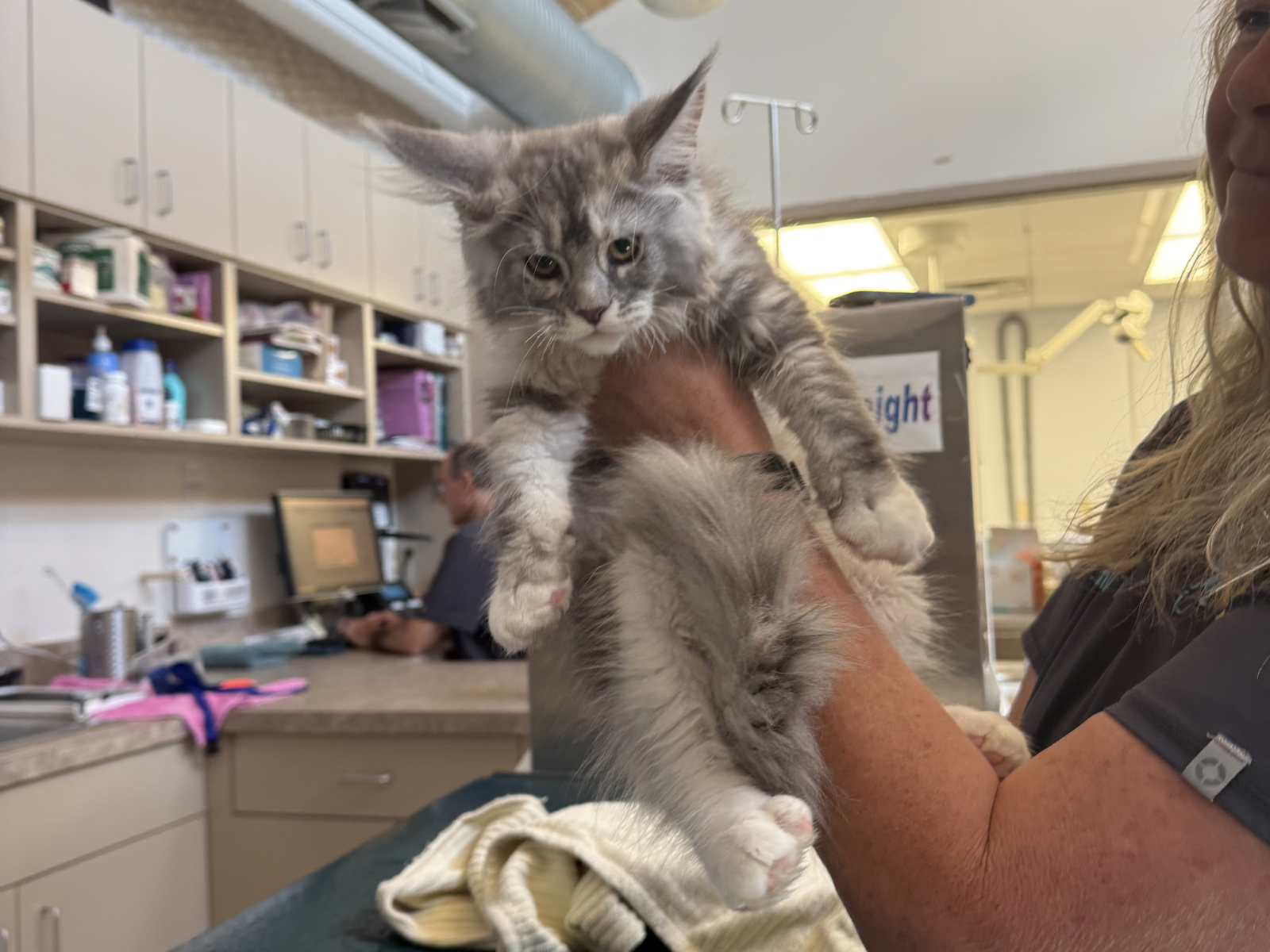
Comprehensive Cat Preventive Care in Cincinnati, OH
Preventive care is the foundation of a long, healthy life for your cat. At Deer Park Veterinary Hospital, we provide individualized cat preventive care tailored to your cat’s age, lifestyle, and risk factors — helping detect health concerns early and keeping your feline companion feeling their best.
Request an AppointmentWhat Is Cat Preventive Care?
Cat preventive care refers to routine veterinary services designed to prevent illness, monitor health changes, and support overall well-being throughout every life stage. Rather than treating disease after it develops, preventive care focuses on early detection and risk reduction.
Veterinary organizations including the American Animal Hospital Association (AAHA) and the American Veterinary Medical Association (AVMA) recommend regular preventive care visits for all cats. These guidelines emphasize ongoing evaluation, early diagnostics, and individualized care plans.
Preventive care for cats typically includes:
- Annual or semi-annual wellness exams
- Vaccinations based on lifestyle and risk factors
- Flea and tick prevention
- Intestinal parasite testing and deworming
- Heartworm prevention
- Routine lab work and health screenings
- Dental evaluations and cleanings
- Nutrition and weight management guidance
- Spaying or neutering
- Behavior and environmental enrichment guidance
Why Is Preventive Care So Important for Cats?
Many feline diseases develop gradually and without obvious symptoms. Cats instinctively conceal pain and illness, which means conditions like kidney disease, diabetes, hyperthyroidism, and dental disease can become well advanced before a pet owner notices anything unusual.
Regular preventive care allows our veterinarians to detect subtle changes in weight, behavior, lab values, and physical condition — changes that, when caught early, often lead to:
- Earlier, more effective treatment
- Reduced discomfort and slower disease progression
- Lower long-term veterinary costs
- Improved quality and length of life
Key Components of Cat Preventive Care
Wellness Exams
Routine physical exams allow your veterinarian to assess your cat from nose to tail, track changes over time, and recommend care based on your cat’s current health status. We recommend annual exams for adult cats and semi-annual exams for senior cats age 7 and older.
Vaccinations
Core cat vaccines protect against feline rhinotracheitis, calicivirus, panleukopenia (FVRCP), and rabies. Lifestyle vaccines — including feline leukemia — are recommended based on your cat’s exposure risks. Visit our Vaccinations page for a full schedule.
Parasite Prevention
Year-round flea, tick, and heartworm prevention is important even for indoor cats. Fleas can enter the home on clothing, shoes, or other pets. Our team will recommend veterinarian-approved preventive products suited to your cat’s lifestyle and health needs.
Lab Work and Diagnostic Screening
Routine lab work — including blood panels and urinalysis — provides a baseline for your cat’s individual health and helps us detect early changes in organ function, thyroid levels, and more. We also have advanced diagnostic tools including in-house bloodwork, digital radiography, and ultrasound.
Dental Care
Dental disease affects the majority of cats by age three. Professional dental cleanings, dental X-rays, and at-home brushing routines are key components of comprehensive preventive care.
Nutrition and Weight Management
Obesity is a growing concern in domestic cats and is associated with conditions including diabetes, arthritis, and liver disease. Our team provides nutritional guidance based on your cat’s age, weight, and health history.
Cat Preventive Care at Every Life Stage
- Kittens (0–1 year): Vaccine series, parasite screening, spay/neuter, nutrition guidance, and behavior support
- Young Adults (1–5 years): Annual wellness exams, core vaccines, and parasite prevention
- Adults (5–10 years): Annual exams, routine lab work, and dental evaluations
- Senior and Geriatric (10+ years): Semi-annual exams, more comprehensive lab screenings, chronic disease monitoring
Call Deer Park Veterinary Hospital at (513) 791-8550 or request an appointment online to schedule your cat’s preventive care visit.
Frequently Asked Questions About Cat Preventive Care
What does cat preventive care include?
Cat preventive care includes routine wellness exams, vaccinations, parasite prevention, lab work, dental evaluations, nutrition counseling, and spaying or neutering. The goal is to detect health problems early and prevent disease before symptoms develop.
How often should my cat have a preventive care visit?
Adult cats (ages 1–9) benefit from annual preventive care visits. Senior cats age 7 and older should be seen every six months, as age-related conditions can develop rapidly. Kittens need more frequent visits during their first year for vaccine series and health monitoring.
Do indoor cats need preventive care?
Absolutely. Indoor cats still require regular vaccines, parasite prevention, dental care, and wellness monitoring. Fleas, ticks, and intestinal parasites can enter the home on clothing or other pets. Additionally, many health conditions — such as kidney disease and hyperthyroidism — are unrelated to outdoor exposure and require regular screening to detect.
What vaccines does my cat need?
Core vaccines for cats include FVRCP (feline rhinotracheitis, calicivirus, and panleukopenia) and rabies. Feline leukemia vaccine is recommended based on lifestyle risk. Our team will develop a vaccination schedule appropriate for your cat’s individual circumstances. See our Vaccinations page for details.
Why is preventive care more important for senior cats?
As cats age, their immune systems become less efficient and the risk of chronic disease — including kidney disease, thyroid disease, diabetes, and arthritis — increases significantly. Semi-annual exams and more frequent lab work allow us to monitor these conditions early and slow their progression. Learn more on our Cat Senior Care page.
Does preventive care include dental care for cats?
Yes. Dental health is an integral part of overall cat preventive care. Our veterinarians evaluate your cat’s teeth and gums at every wellness exam and recommend professional cleanings as needed. Learn more on our Cat Dental Care page.
How does preventive care help my cat live longer?
Preventive care allows early detection of disease, which typically leads to faster treatment, better outcomes, and a better quality of life. Studies consistently show that cats receiving regular veterinary preventive care live longer, healthier lives than those seen only when illness is obvious.