
Advanced Veterinary Diagnostics in Cincinnati, OH
Getting answers fast can make all the difference when your pet isn’t feeling well. At Deer Park Veterinary Hospital in Cincinnati, OH, we’re equipped with advanced in-house diagnostic technology that allows our veterinary team to evaluate your pet’s health quickly and accurately — right here in our clinic, without lengthy waits for outside lab results.
Request an AppointmentOur Diagnostic Capabilities
We have the latest in radiography and ultrasonography at our disposal. These imaging modalities, combined with our in-house laboratory, give our veterinarians a comprehensive window into your pet’s well-being. When every minute matters, having these tools on-site means faster diagnoses and quicker treatment decisions.
In-House Blood Chemistry Equipment
Our laboratory processes blood chemistry panels in approximately 15 minutes, giving our doctors real-time data on organ function, blood cell counts, and metabolic health. This is especially critical before anesthesia, during sick visits, and for monitoring pets on long-term medications. Paired with our wellness and prevention program, regular bloodwork helps catch health changes early.
Digital X-Ray (Radiography)
Our digital radiography equipment produces high-resolution images instantly, allowing our veterinarians to evaluate bones, joints, the chest, and abdominal organs with excellent detail. Digital X-rays also support our dental care program, where full-mouth dental radiographs help identify diseased tooth roots that aren’t visible to the naked eye.
Ultrasound
Ultrasound imaging provides real-time visualization of soft tissues and internal organs, making it an invaluable diagnostic tool for evaluating the heart, liver, kidneys, bladder, and more. It’s safe, non-invasive, and doesn’t require radiation, making it suitable for pets of all ages — including pregnant animals.
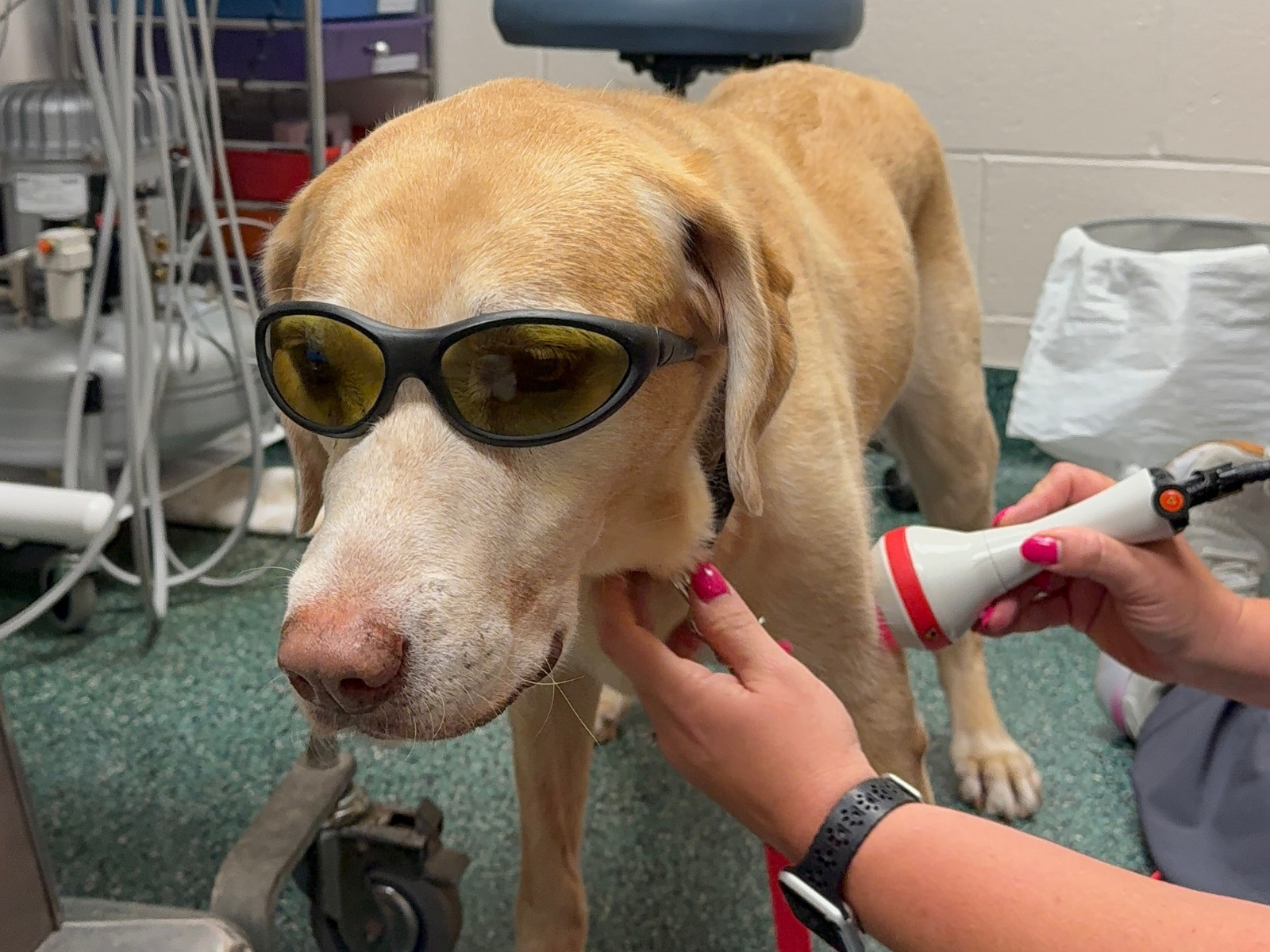
Cold Laser Therapy
Cold laser therapy uses targeted light energy to reduce pain and inflammation, speed up tissue healing, and support recovery after surgery. It’s also an excellent non-pharmaceutical option for managing chronic conditions like arthritis and musculoskeletal injuries in senior pets.
Anesthesia Equipment
Our clinic is equipped with both isoflurane and sevoflurane gas anesthesia systems. Sevoflurane is particularly valuable for at-risk patients and short procedures, as it allows for rapid induction and a faster, smoother recovery. All anesthetized patients are closely monitored from start to finish.
Doppler Blood Pressure Monitoring
Our Doppler blood pressure equipment provides highly accurate pressure readings for patients under anesthesia and those being treated for heart or kidney disease. Accurate blood pressure monitoring is a critical safety measure during any procedure requiring sedation.
PetMAP Blood Pressure Equipment
The PetMAP system allows us to monitor your pet’s blood pressure and heart rate without causing additional stress or disturbance. This is especially useful for cats and anxious patients, who can experience artificially elevated readings with traditional methods.
Diagnostics Integrated Into Every Visit
Our diagnostic tools don’t just support sick visits — they’re integrated into our preventive care approach. Routine bloodwork, urinalysis, and imaging help establish a health baseline for your pet, making it easier to detect subtle changes over time. Whether your pet is coming in for a dog wellness exam, a cat wellness exam, or a more complex medical concern, you can count on our team to use every tool available to give you clear, accurate answers.
Call us at (513) 791-8550 or request an appointment online to learn more about how our diagnostic services can help your pet.
Frequently Asked Questions About Veterinary Diagnostics
How quickly can DPVH get blood test results for my pet?
Our in-house blood chemistry equipment processes most panels within approximately 15 minutes. This means our doctors can review results and discuss findings with you during the same appointment — no waiting days for lab results.
Does my pet need to fast before bloodwork or diagnostics?
For routine wellness bloodwork, fasting for 8–12 hours is generally recommended to ensure accurate results. For emergency diagnostics or same-day illness visits, fasting isn’t always possible, and our team will account for that when interpreting results. We’ll give you specific instructions when you schedule your appointment.
What does an ultrasound exam involve for pets?
An ultrasound exam is non-invasive and painless. A small area of fur may be shaved to improve the image quality, and a gel is applied to the skin. Your pet simply lies still (or is gently held) while the ultrasound probe scans the area of concern. Most pets tolerate it very well and do not require sedation.
What is cold laser therapy used for in pets?
Cold laser therapy is used to reduce pain and inflammation, promote tissue healing after surgery, and manage chronic conditions such as arthritis and joint disease. It’s a safe, drug-free option that can be used alone or alongside other treatments, particularly for senior pets.
Why does my pet need bloodwork before anesthesia?
Pre-anesthetic bloodwork allows our veterinarians to assess organ function — particularly the kidneys and liver — which are responsible for processing anesthetic medications. This ensures we can customize the anesthesia protocol for your pet’s individual needs and greatly reduces the risk of complications. Learn more about our dental care and surgical services where pre-anesthetic bloodwork is routinely performed.
Can diagnostics help with managing my pet’s chronic condition?
Absolutely. Regular diagnostic monitoring — including bloodwork, urinalysis, and blood pressure checks — is essential for managing long-term conditions such as kidney disease, diabetes, heart disease, and thyroid disorders. Our team uses these tools to track trends over time and adjust treatment plans accordingly during your pet’s wellness and prevention visits.
How do I know if my pet needs diagnostic imaging?
Our veterinarians will recommend imaging if your pet is showing signs of illness that can’t be fully evaluated through a physical exam alone — such as abdominal pain, difficulty breathing, limping, or unexplained weight loss. Diagnostic imaging is also used proactively in senior pets and those undergoing surgical procedures.