
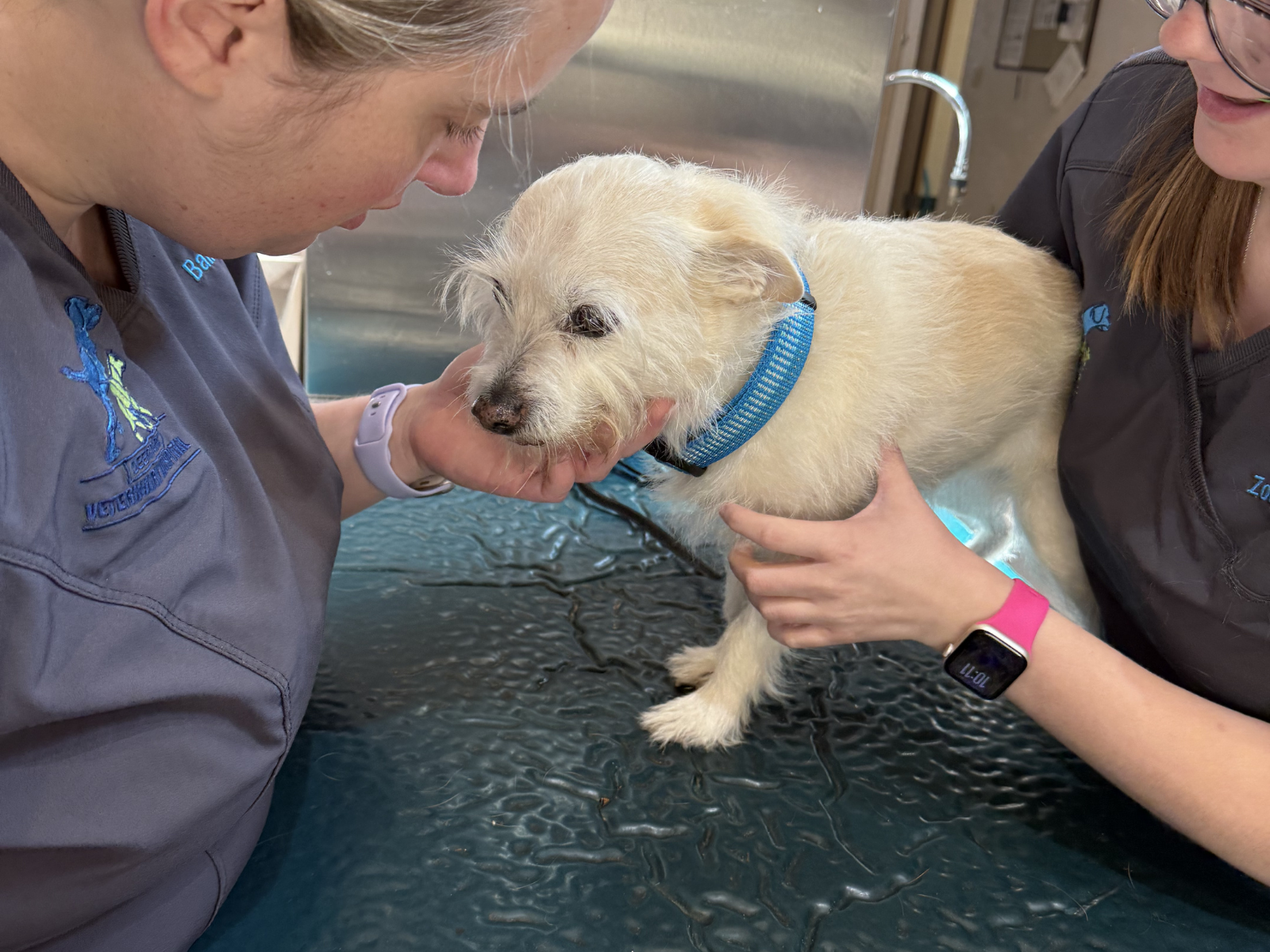
Senior Dog Care in Cincinnati, OH
As dogs age, their health needs, behavior, and daily routines naturally change. Proactive veterinary care can help your senior dog stay comfortable, active, and happy for as long as possible. At Deer Park Veterinary Hospital, we provide personalized senior dog care in Cincinnati, helping pet owners navigate every stage of aging with confidence and support.
Request an AppointmentWhat Is Considered a Senior Dog?
Most dogs are considered seniors between 7 and 10 years of age, depending on their breed and size:
- Small breeds tend to live longer and may become seniors later, often around 10–12 years
- Large and giant breeds age faster and may be considered senior as early as 6–7 years
Understanding when your dog enters their senior years helps ensure they receive the right care at the right time. Once your dog reaches this stage, semi-annual wellness exams are recommended to catch age-related changes early.
What Is the Life Expectancy of a Dog?
The average lifespan of a dog is 10 to 13 years, though this varies considerably based on:
- Breed and size — smaller dogs often live 10–15 years or more; larger breeds may live 8–10 years
- Genetics and family history
- Diet and nutrition throughout life
- Exercise and activity levels
- Consistent preventive veterinary care
Dogs that receive regular veterinary care and attentive home management throughout their lives tend to have better health outcomes and longer lifespans.
Common Health Conditions in Senior Dogs
Senior dogs are more susceptible to a range of chronic and progressive conditions, including:
- Arthritis and joint pain
- Dental disease
- Kidney disease
- Heart disease
- Diabetes
- Hypothyroidism
- Cancer
- Cognitive dysfunction syndrome (canine dementia)
- Vision and hearing loss
Many of these conditions develop gradually and can go unnoticed at home. Routine screenings at senior wellness visits allow us to identify early indicators and begin management before quality of life is significantly affected.
Signs Your Dog Is Aging
Some changes are a normal part of aging, but others signal the need for veterinary attention. Common signs in senior dogs include:
- Slowing down or reduced enthusiasm for walks and play
- Difficulty getting up, climbing stairs, or jumping into the car
- Increased sleeping
- Weight changes — either gain or loss
- Increased thirst and urination
- Changes in appetite
- Confusion, disorientation, or changes in behavior
- Coughing, labored breathing, or decreased stamina
If you notice any of these signs, schedule an appointment with our team at (513) 791-8550.
Senior Dog Wellness Exams and Screenings
For dogs age 6 and older, we recommend semi-annual wellness exams — visits every six months. During these visits, we perform a thorough physical examination and typically recommend:
- Comprehensive bloodwork including a complete blood count (CBC), chemistry profile, and thyroid testing
- Urinalysis to screen for kidney disease, diabetes, and urinary tract infection
- Blood pressure monitoring
- Dental evaluation — dental disease is especially common in older dogs
- Assessment of joint health, mobility, and body condition
- Parasite prevention and vaccine updates as appropriate
Pain Management and Comfort Care for Senior Dogs
Arthritis is one of the most common conditions in senior dogs and often goes unrecognized because dogs naturally try to mask discomfort. Signs of pain include reluctance to jump, stiffness after resting, limping, or avoidance of stairs. Our team will evaluate your dog for pain and discuss management options including medications, joint supplements, weight management, and environmental modifications.
To schedule a senior wellness exam for your dog, call Deer Park Veterinary Hospital at (513) 791-8550 or request an appointment online.
Frequently Asked Questions About Senior Dog Care
At what age is a dog considered a senior?
Most dogs are considered seniors between 7 and 10 years of age, depending on breed and size. Larger breeds tend to age faster — a Great Dane may be a senior at 6 or 7 years, while a small terrier may not reach senior status until 10 or older. Our veterinarians will help you understand where your dog is in their aging process.
How often should senior dogs see the vet?
We recommend semi-annual wellness exams — visits every six months — for dogs age 6 and older. More frequent checkups allow our team to monitor for age-related conditions and respond quickly to any changes in your dog’s health.
What health problems are most common in senior dogs?
Common conditions in senior dogs include arthritis, dental disease, kidney disease, heart disease, diabetes, hypothyroidism, and cancer. Cognitive dysfunction syndrome — similar to dementia in people — is also increasingly recognized in older dogs. Most of these conditions are manageable when detected early through regular screenings.
What lab work does my senior dog need?
Senior dog lab work typically includes a complete blood count (CBC), chemistry profile, thyroid panel, and urinalysis. These tests evaluate kidney and liver function, blood sugar, thyroid levels, and other important markers. Our team will recommend the right testing based on your dog’s age and health history.
How do I know if my senior dog is in pain?
Dogs often hide pain, so subtle behavioral signs are important to watch for — including reluctance to jump or climb stairs, stiffness after resting, reduced activity, changes in posture, or irritability. If you notice any of these changes, a veterinary exam is recommended. Pain management is available and can significantly improve your dog’s quality of life.
Should I change my senior dog’s diet?
Many senior dogs benefit from dietary adjustments to support joint health, maintain muscle mass, and account for changes in metabolism. Some dogs benefit from senior-formulated foods; others may need prescription diets based on specific health conditions. Our team provides personalized nutrition guidance at every wellness visit.
Can senior dogs still receive vaccines?
Yes. Vaccination recommendations for senior dogs are based on individual health status and lifestyle. Some vaccines may be adjusted based on your dog’s age and risk level. Our veterinarians will review your dog’s history and recommend an appropriate protocol. See our Vaccinations page for more information.