
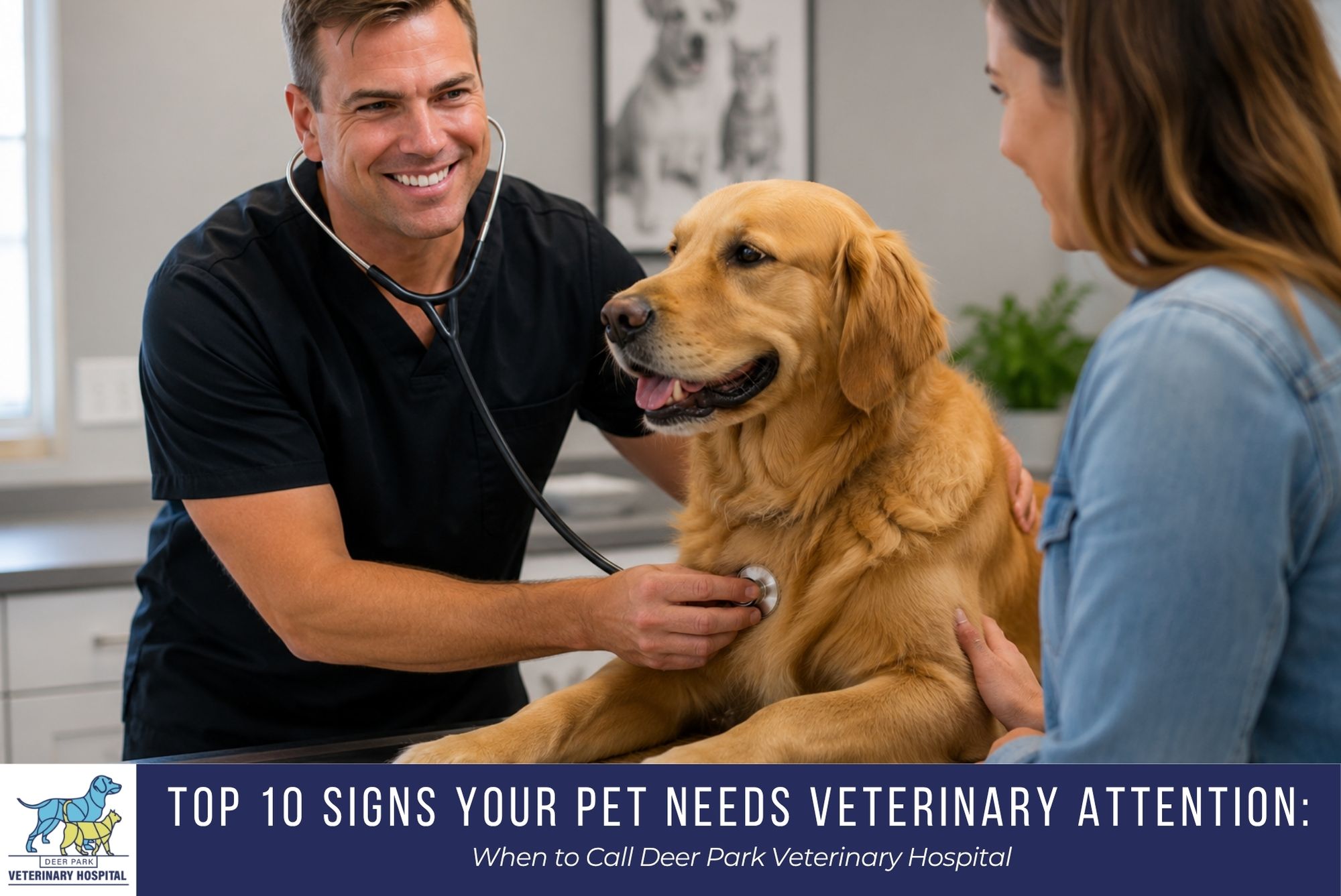
 Pets cannot tell us when they are sick or in pain, which is why recognizing subtle changes in their behavior, appetite, and physical condition is one of the most important responsibilities of pet ownership. While some health concerns resolve on their own, many symptoms can indicate serious underlying conditions that require prompt veterinary care. Early diagnosis and treatment often improve outcomes, reduce complications, and help your pet recover more quickly.
At Deer Park Veterinary Hospital, we believe that preventive care and early intervention are key to helping pets live long, healthy, and comfortable lives. Knowing when to schedule an appointment can make all the difference in protecting your dog or cat from preventable illnesses and emergencies.
Whether your pet experiences a sudden change in behavior or develops symptoms gradually over time, understanding the warning signs helps you make informed decisions about their health.
Why Early Veterinary Care Matters
Many diseases begin with mild symptoms that can easily be overlooked. Conditions such as diabetes, kidney disease, heart disease, infections, arthritis, dental disease, and even cancer often develop slowly before becoming severe.
Seeking veterinary care early provides several important benefits:
- Earlier diagnosis and treatment
- Reduced pain and discomfort
- Lower risk of complications
- Improved recovery times
- Better long-term quality of life
- Lower overall treatment costs compared to emergency care
Routine wellness examinations also allow veterinarians to identify health concerns before obvious symptoms appear.
Sign #1: Changes in Appetite or Water Consumption
Loss of Appetite
A pet that refuses food for more than 24 hours should be evaluated by a veterinarian. Loss of appetite can indicate:
- Dental disease
- Gastrointestinal illness
- Liver disease
- Kidney disease
- Pain
- Infection
- Cancer
Cats are particularly vulnerable because prolonged fasting can lead to hepatic lipidosis, a serious liver condition.
Increased Hunger
An unusually hungry pet can also signal medical problems such as:
- Diabetes mellitus
- Hyperthyroidism (especially in cats)
- Certain hormonal disorders
- Medication side effects
Increased or Decreased Water Intake
Changes in drinking habits may indicate:
- Kidney disease
- Diabetes
- Urinary tract disease
- Endocrine disorders
- Dehydration
Monitoring your pet’s daily food and water intake helps identify concerning changes early.
Sign #2: Vomiting or Diarrhea
Occasional digestive upset is common, but repeated vomiting or diarrhea should never be ignored.
When Vomiting Is Concerning
Contact your veterinarian if your pet:
- Vomits repeatedly
- Cannot keep water down
- Has blood in vomit
- Appears weak
- Has abdominal pain
- Stops eating
Persistent vomiting can quickly lead to dehydration and electrolyte imbalances.
When Diarrhea Requires Veterinary Care
Seek veterinary evaluation if diarrhea:
- Lasts longer than 24 hours
- Contains blood
- Occurs repeatedly
- Is accompanied by vomiting
- Causes lethargy
- Occurs in puppies, kittens, or senior pets
Digestive symptoms may result from infections, parasites, dietary indiscretion, food allergies, toxin exposure, or intestinal disease.
Sign #3: Lethargy or Low Energy
Every pet has a unique personality and activity level. If your normally energetic companion suddenly becomes inactive or withdrawn, it may indicate illness.
Lethargy can be associated with:
- Fever
- Infection
- Pain
- Heart disease
- Respiratory illness
- Anemia
- Organ dysfunction
- Cancer
If your pet sleeps significantly more than usual or shows little interest in favorite activities, veterinary evaluation is recommended.
Sign #4: Difficulty Breathing
Breathing problems should always be treated as a medical priority.
Symptoms That Require Immediate Attention
Watch for:
- Rapid breathing
- Open-mouth breathing in cats
- Wheezing
- Persistent coughing
- Blue or pale gums
- Labored breathing
- Difficulty exercising
Respiratory distress can result from:
- Heart disease
- Pneumonia
- Asthma
- Allergic reactions
- Airway obstruction
- Lung disease
Prompt veterinary care can be lifesaving.
Sign #5: Changes in Urination
Urinary problems can become emergencies, particularly in male cats.
Signs include:
- Frequent urination
- Straining to urinate
- Blood in urine
- Urinating outside the litter box
- Accidents in house-trained pets
- Increased urine production
- Inability to urinate
Possible causes include:
- Urinary tract infections
- Bladder stones
- Kidney disease
- Diabetes
- Urinary obstruction
A urinary blockage requires immediate emergency treatment.
Sign #6: Limping, Stiffness, or Difficulty Moving
Mobility changes often indicate pain.
Your pet may:
- Limp
- Walk more slowly
- Hesitate to climb stairs
- Avoid jumping
- Have difficulty standing
- Cry when touched
- Favor one leg
Possible causes include:
- Arthritis
- Ligament injuries
- Fractures
- Soft tissue injuries
- Hip dysplasia
- Neurological disease
Early treatment can improve comfort and maintain mobility.
Sign #7: Unusual Behavior Changes
Behavioral changes frequently reflect underlying medical issues.
Examples Include:
- Hiding
- Increased aggression
- Confusion
- Anxiety
- Excessive vocalization
- Restlessness
- Sudden clinginess
- Disorientation
Medical conditions affecting behavior may include:
- Pain
- Cognitive dysfunction
- Neurological disorders
- Vision loss
- Hearing loss
- Hormonal disease
Never assume behavior changes are simply due to aging.
Sign #8: Persistent Itching, Hair Loss, or Skin Problems
Skin issues are among the most common reasons pets visit veterinarians.
Symptoms include:
- Constant scratching
- Excessive licking
- Hair loss
- Red skin
- Hot spots
- Ear infections
- Rashes
- Skin odor
Common causes include:
- Fleas
- Allergies
- Mites
- Bacterial infections
- Yeast infections
- Hormonal disorders
Prompt treatment helps prevent chronic skin damage and secondary infections.
Sign #9: Bad Breath or Difficulty Eating
Many pet owners mistakenly believe bad breath is normal.
In reality, persistent bad breath often indicates dental disease.
Other signs include:
- Dropping food
- Pawing at the mouth
- Swollen gums
- Loose teeth
- Facial swelling
- Excessive drooling
Dental disease affects much more than the mouth. Untreated infections can impact the heart, kidneys, and liver.
Professional dental evaluations and cleanings help protect your pet’s overall health.
Sign #10: Lumps, Bumps, or Swelling
Not every lump is cancer, but every new lump deserves veterinary evaluation.
Veterinarians assess:
- Size
- Shape
- Location
- Growth rate
- Consistency
- Mobility
Diagnostic testing may include:
- Fine needle aspiration
- Cytology
- Biopsy
- Imaging
Early diagnosis significantly improves treatment options for many tumors.
Additional Symptoms That Should Never Be Ignored
Seizures
A first-time seizure or repeated seizures require immediate veterinary attention.
Collapse or Fainting
Sudden collapse can indicate heart disease, neurological disorders, poisoning, or severe illness.
Pale or Blue Gums
Changes in gum color often indicate poor circulation, blood loss, or oxygen deprivation.
Persistent Coughing
Chronic coughing can result from heart disease, kennel cough, tracheal disease, or lung conditions.
Eye Changes
Cloudiness, redness, squinting, discharge, or sudden vision loss should always be examined promptly.
Preventive Care Helps Detect Problems Earlier
Many serious illnesses are discovered during routine wellness examinations before pets show noticeable symptoms.
Preventive care typically includes:
Comprehensive Physical Examinations
Regular examinations allow veterinarians to detect subtle changes that owners may not notice.
Diagnostic Testing
Routine blood work, urinalysis, fecal testing, and parasite screening help identify hidden diseases.
Vaccinations
Vaccines protect against serious infectious diseases and support long-term health.
Dental Evaluations
Routine oral examinations help prevent painful dental disease.
Weight Monitoring
Maintaining a healthy weight reduces the risk of diabetes, arthritis, heart disease, and numerous other conditions.
When Should You Seek Emergency Veterinary Care?
Seek immediate veterinary attention if your pet experiences:
- Difficulty breathing
- Collapse
- Seizures
- Severe trauma
- Continuous vomiting
- Bloody diarrhea
- Poison ingestion
- Inability to urinate
- Severe bleeding
- Loss of consciousness
- Extreme weakness
- Heatstroke
Emergency symptoms should never be monitored at home without veterinary guidance.
Partner with Deer Park Veterinary Hospital for Your Pet’s Health
Your pet depends on you to recognize when something isn’t right. Paying attention to changes in appetite, energy level, mobility, behavior, and physical appearance allows problems to be addressed before they become more serious.
The experienced veterinary team at Deer Park Veterinary Hospital provides compassionate, comprehensive care for dogs and cats of every age. Whether your pet needs a routine wellness examination, diagnostic testing, treatment for an illness, or urgent medical attention, our goal is to help your companion enjoy a healthy, active, and happy life.
If you notice any concerning symptoms, don’t wait. Scheduling an examination early can make a meaningful difference in your pet’s recovery and long-term well-being.
Frequently Asked Questions
How do I know if my pet is sick or just tired?
Temporary fatigue after exercise is normal. However, if your pet remains unusually lethargic for more than a day, refuses food, or has additional symptoms such as vomiting, diarrhea, coughing, or difficulty walking, a veterinary examination is recommended.
How long should I wait before taking my pet to the veterinarian for vomiting?
One isolated episode may not require immediate care if your pet is otherwise acting normally. Repeated vomiting, blood in the vomit, inability to keep water down, or vomiting accompanied by lethargy should be evaluated promptly.
Is bad breath in pets normal?
No. Persistent bad breath is commonly caused by dental disease and should be evaluated by a veterinarian before it progresses to painful infections or tooth loss.
Should I worry if my pet suddenly drinks much more water?
Yes. Increased thirst can be an early sign of diabetes, kidney disease, hormonal disorders, or urinary tract problems. Schedule an examination if you notice a consistent increase in water consumption.
Are lumps on dogs and cats always cancerous?
No. Many lumps are benign, but it is impossible to determine their nature without veterinary evaluation. Early examination provides the best opportunity for diagnosis and treatment if necessary.
Why is my senior pet acting differently?
Older pets commonly experience arthritis, cognitive changes, hearing loss, vision loss, and chronic diseases that alter behavior. Regular senior wellness exams help identify age-related conditions early.
How often should healthy pets have veterinary checkups?
Most adult pets benefit from annual wellness examinations. Puppies, kittens, senior pets, and pets with chronic medical conditions often require more frequent visits.
What symptoms require emergency veterinary care?
Difficulty breathing, seizures, collapse, inability to urinate, severe bleeding, poison ingestion, heatstroke, unconsciousness, and severe trauma all require immediate emergency veterinary attention.
Contact Information
Deer Park Veterinary Hospital
4380 E Galbraith Rd
Cincinnati, OH 45236
Phone: (513) 791-8550
Website: https://dpvh.net
Request an Appointment: https://dpvh.net/appointments