
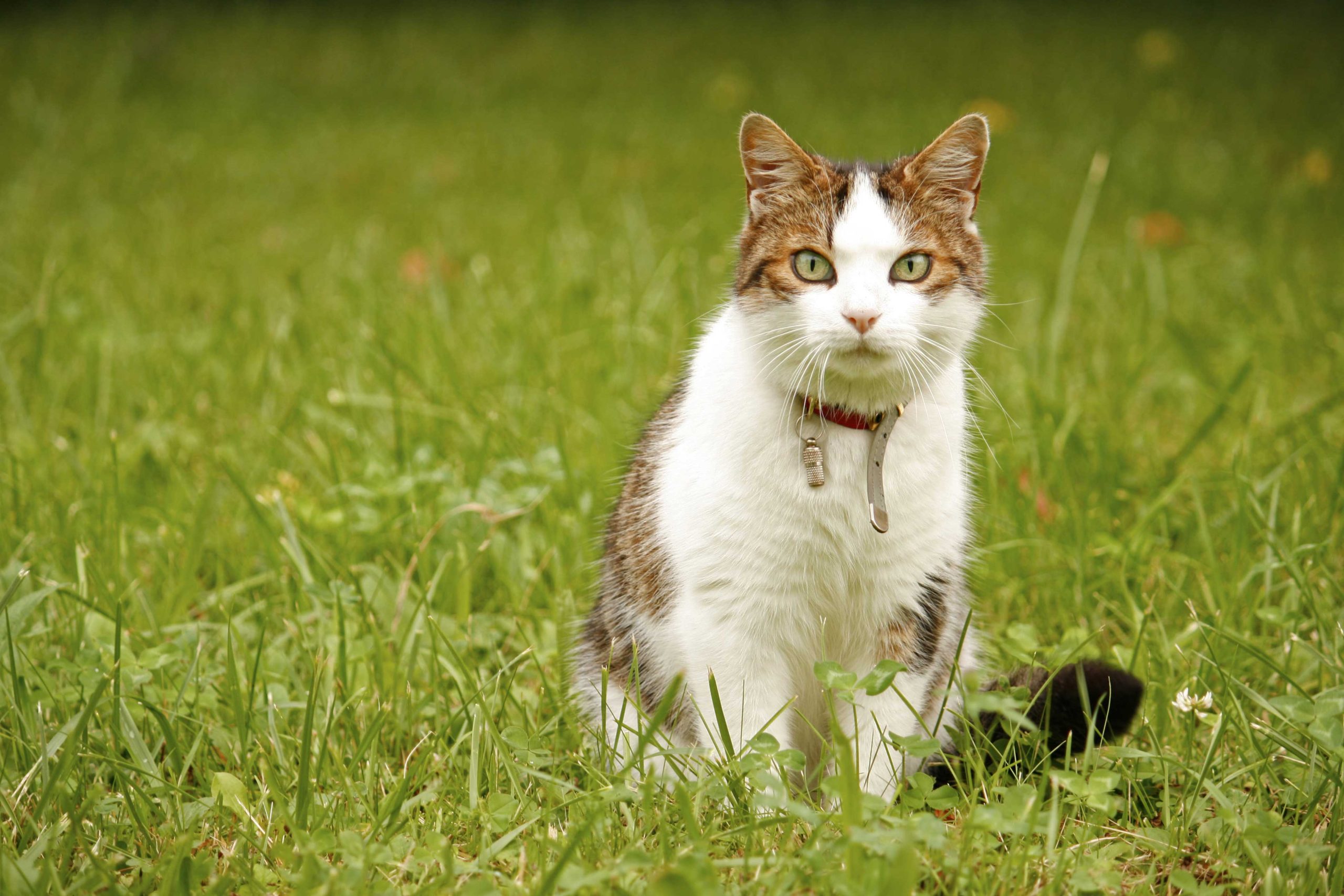
Cat Wellness Exams in Cincinnati, OH
A cat wellness exam is a routine visit to Deer Park Veterinary Hospital when your cat isn’t sick — just a regular checkup to make sure they’re healthy, on track with their vaccines and parasite prevention, and not hiding any health concerns that need attention. Because cats are masters at masking illness, these visits are one of the most powerful tools we have for keeping them well.
Request an AppointmentWatch: Cat Wellness Exams Explained
What Happens During a Cat Wellness Exam?
Every cat wellness visit at Deer Park Veterinary Hospital begins with a conversation — we’ll ask how your cat has been doing at home, discuss their history, diet, behavior, and any changes you may have noticed. From there, our veterinarian performs a thorough head-to-tail physical examination, including:
- Eyes and vision assessment
- Ear examination for infection, mites, or discharge
- Oral and dental evaluation — looking for tartar, gingivitis, or other dental disease
- Lymph node palpation
- Heart and lung auscultation
- Abdominal palpation to assess organ size and detect any masses
- Coat and skin condition review
- Body weight and body condition scoring
- Joint and mobility assessment
This comprehensive exam helps establish a health baseline and allows our veterinarians to detect subtle abnormalities that owners — and even cats themselves — may not notice.
What Lab Work Is Recommended for Cats?
We recommend fecal (stool) testing at or around each annual exam to check for intestinal parasites. Depending on your cat’s age and health status, bloodwork — including a complete blood count and chemistry panel — may also be recommended to evaluate organ function and screen for underlying diseases. Senior cats (age 7+) especially benefit from routine bloodwork, as many conditions are much easier to manage when caught early. Our in-house laboratory processes most panels within about 15 minutes.
How Often Should My Cat Come In?
- New cat or newly adopted kitten: Within 1–2 weeks of adoption
- Kittens: Every 3–4 weeks for vaccine appointments from 8 to 16 weeks of age
- Adult cats (ages 1–6): Once per year
- Senior cats (age 7+): Every six months — diseases can develop and progress more rapidly in older cats, and twice-yearly visits allow us to catch changes sooner
Learn more about life-stage specific care on our kitten care and cat senior care pages.
Why Is Early Detection So Important for Cats?
Cats are notoriously good at hiding signs of illness — it’s an instinct rooted in their wild ancestry. This means that by the time a cat shows obvious symptoms, a health condition may already be well advanced. Routine wellness exams allow our veterinarians to identify problems early, when they’re often still treatable or manageable.
Dental disease is a perfect example: many cats have significant oral disease that owners have no idea about, because cats rarely stop eating even when their mouths are painful. Regular exams let us catch and treat dental issues before they cause more serious health consequences. See our dental care page to learn more.
Signs That Your Cat May Not Be Feeling Well
Between wellness visits, watch for these subtle and not-so-subtle signs that your cat may need to be seen sooner:
- Decreased activity or sleeping more than usual
- Hiding or avoiding favorite spots, especially high places
- Changes in appetite or water consumption
- Vomiting or changes in stool consistency
- Litter box changes — going more or less often, or outside the box
- Excessive grooming, scratching, or skin/coat changes
- Reduced social interaction or unusual behavioral shifts
If you notice any of these signs, don’t wait for the next scheduled exam — call us at (513) 791-8550 and we’ll get your cat in promptly.
Frequently Asked Questions About Cat Wellness Exams
What is a cat wellness exam and why does my healthy cat need one?
A cat wellness exam is a routine checkup performed when your cat is healthy — not because something is wrong. These visits allow our veterinarians to perform a thorough physical examination, review vaccines and parasite prevention, and screen for conditions that can develop silently. Because cats hide illness so well, regular exams are often the only way to catch health problems before they become serious.
How often should I bring my cat in for a wellness exam?
Adult cats between ages 1 and 6 should come in annually. Cats age 7 and older benefit from twice-yearly visits, as health conditions can progress more quickly in senior cats. Kittens need to be seen every 3–4 weeks from 8 to 16 weeks for their initial vaccine series, and newly adopted cats should be seen within 1–2 weeks of adoption.
What does a cat wellness exam involve?
Our veterinarians start with a conversation about your cat’s history and any changes you’ve noticed, followed by a full physical exam covering the eyes, ears, mouth, lymph nodes, heart, lungs, abdomen, skin, coat, weight, and joint mobility. Lab work such as a fecal test or bloodwork may also be recommended based on your cat’s age and history.
Do indoor cats really need wellness exams?
Absolutely. Indoor cats still develop dental disease, obesity, kidney disease, thyroid problems, diabetes, and other conditions that have nothing to do with outdoor exposure. Regular wellness exams are just as important for indoor cats as for those that go outside — and in some ways more so, because indoor cats are often more sedentary and may develop weight-related issues more easily.
What environmental factors can affect my cat’s health?
The biggest factor is whether your cat has outdoor access, which significantly increases exposure to infectious disease, parasites, and injury. For indoor cats, stress-related factors can impact health — including other pets in the household, changes in routine, air quality, cigarette smoke, and household scents like air fresheners. Our veterinarians are happy to discuss environmental enrichment and stress reduction strategies at your cat’s wellness visit.
How does a cat wellness exam support a longer, healthier life?
Early detection is the key. Conditions like kidney disease, dental disease, hyperthyroidism, and diabetes are far easier to manage — and outcomes are much better — when diagnosed early. Wellness exams give our veterinarians the opportunity to identify these issues before they cause obvious symptoms, keeping your cat comfortable and healthy for as long as possible. See our full wellness and prevention page for more.
What should I bring to my cat’s wellness exam?
If your cat is a new patient or recently adopted, bring any previous veterinary records you have. A fresh fecal (stool) sample — no more than 24 hours old — is helpful for intestinal parasite testing. If your cat is on any medications or supplements, bring those along or note them down. Most importantly, bring any questions you have — we’re always happy to talk through your concerns.