
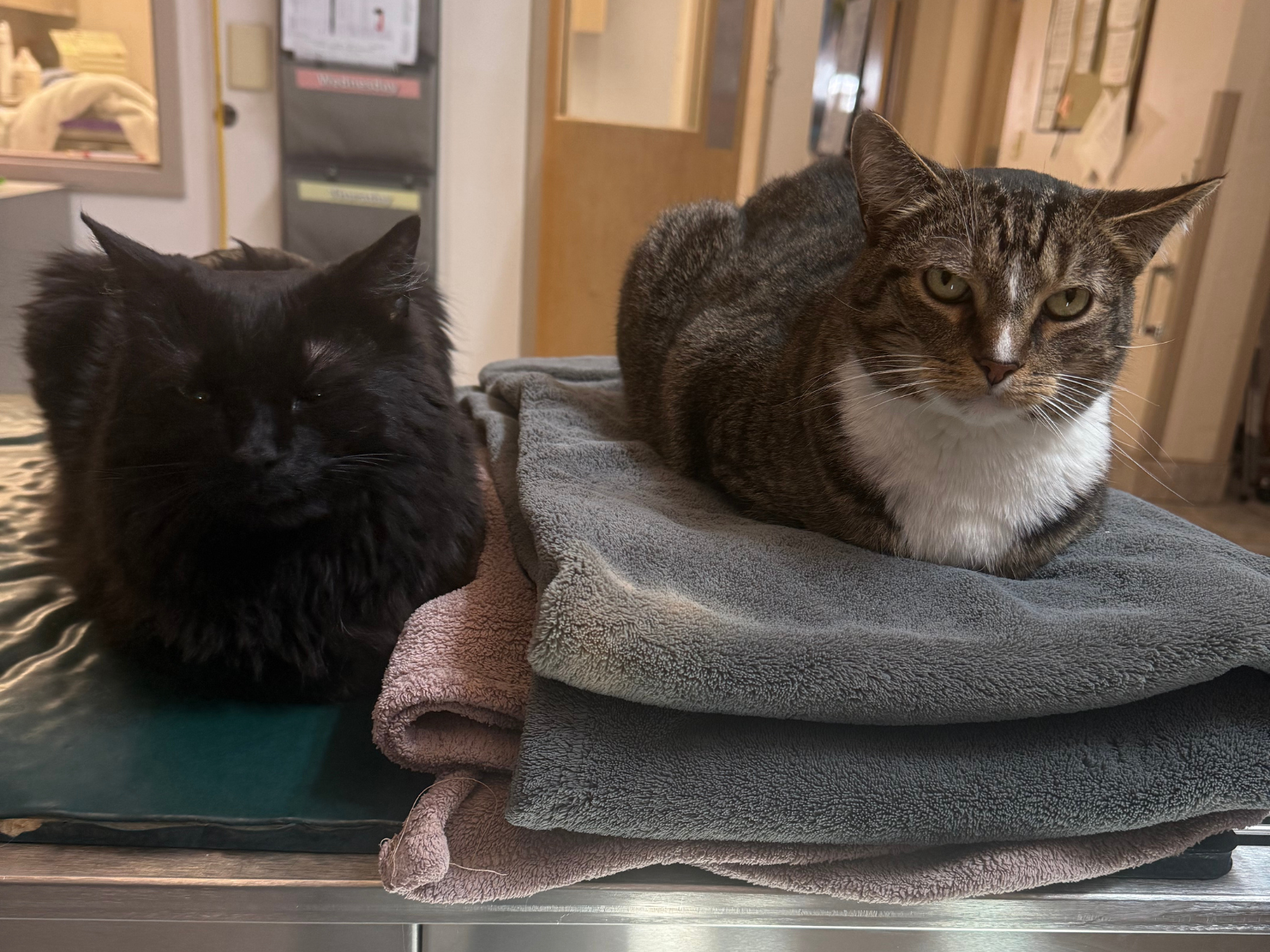
Safe Cat Spaying and Neutering in Cincinnati, OH
Spaying and neutering are routine surgical procedures that play an important role in your cat’s long-term health, behavior, and quality of life. At Deer Park Veterinary Hospital, we provide safe, evidence-based spay and neuter services and take time to answer all your questions so you can make informed decisions about your cat’s care.
Request an AppointmentWhat Is the Difference Between Spaying and Neutering?
- Spaying refers to the surgical removal of the ovaries — and sometimes the uterus — in female cats. This is also known as an ovariohysterectomy.
- Neutering refers to the surgical removal of the testicles in male cats. This is also referred to as castration.
Both procedures are performed under general anesthesia and prevent reproduction. They also reduce or eliminate many hormone-driven behaviors and health risks associated with intact cats.
Why Is Spaying or Neutering Important for Cats?
Spaying or neutering is a key part of responsible cat ownership. These procedures help reduce the overpopulation of homeless cats while also providing significant health and behavioral benefits. Cats that are spayed or neutered often live longer, healthier lives than intact cats.
Spaying or neutering your cat can:
- Prevent unwanted pregnancy or fathering of kittens
- Reduce the risk of reproductive-related cancers
- Prevent serious uterine infections (pyometra) in female cats
- Eliminate the risk of ovarian and uterine cancer in females
- Decrease roaming, fighting, and injury risk in male cats
- Reduce or eliminate urine spraying and marking behaviors
- Promote a calmer, more predictable temperament
What Is the Best Age to Spay or Neuter a Cat?
Most veterinarians recommend spaying or neutering cats around five to six months of age. At this stage, cats typically tolerate anesthesia well, and the procedure can be performed before females experience their first heat cycle or males develop strong hormone-driven behaviors.
Spaying a female cat before her first heat significantly reduces the risk of mammary cancer later in life. Your veterinarian will help determine the ideal timing based on your cat’s health, age, and lifestyle during a wellness exam.
Medical Benefits of Spaying and Neutering Cats
Beyond population control, spaying and neutering provide important medical advantages:
- Reduced risk of mammary, ovarian, uterine, and testicular cancers
- Elimination of life-threatening uterine infections (pyometra)
- Lower risk of perianal tumors in male cats
- Reduced hormone-related stress and behavioral issues
What to Expect at Deer Park Veterinary Hospital: Before, During, and After the Procedure
Before Surgery: We recommend fasting your cat the night before or the morning of the procedure — no food after midnight. Pre-anesthetic blood work is recommended, especially for adult or older cats, to evaluate organ function and ensure the safest anesthesia protocol.
During Surgery: Procedures are performed under general anesthesia by our experienced veterinary team. Your cat is carefully monitored throughout, with continuous attention to heart rate, oxygen levels, and body temperature.
After Surgery: Most cats recover quickly. We provide detailed written discharge instructions and walk you through home care at pickup. Activity restriction for a few days is important to allow proper healing. Our team is available to answer any questions during recovery.
Our surgeries are performed on Tuesdays, Wednesdays, and Thursdays. To schedule your cat’s spay or neuter, call Deer Park Veterinary Hospital at (513) 791-8550 or request an appointment online.
Frequently Asked Questions About Cat Spaying and Neutering
At what age should I spay or neuter my cat?
Most veterinarians recommend spaying or neutering cats around five to six months of age, typically before females experience their first heat cycle. Earlier spaying significantly reduces the risk of mammary cancer in female cats. Your vet will confirm the ideal timing at your cat’s wellness exam.
What are the health benefits of spaying or neutering my cat?
Spaying eliminates the risk of uterine infections (pyometra) and reduces the risk of mammary, ovarian, and uterine cancers. Neutering eliminates testicular cancer risk and reduces prostate issues. Both procedures can reduce hormone-driven behavioral problems and are associated with longer lifespans in cats.
Is spaying or neutering safe for cats?
Yes. Spay and neuter procedures are among the most commonly performed surgeries in veterinary medicine and are considered routine and very safe. At Deer Park Veterinary Hospital, we use advanced anesthesia monitoring, pre-anesthetic lab work when appropriate, and thorough post-operative protocols to protect every patient.
How should I prepare my cat for the spay or neuter procedure?
The most important preparation is fasting — withhold food the night before or morning of the procedure so your cat’s stomach is empty. Our team will provide full pre-operative instructions when you schedule. Pre-surgical blood work is also commonly recommended.
How long does it take a cat to recover from spaying or neutering?
Most cats are alert and moving around within hours of the procedure. Full recovery typically takes 7–10 days. Activity restriction and incision monitoring are the most important parts of home care. We send you home with detailed written instructions and are available to answer follow-up questions.
Will spaying or neutering change my cat’s personality?
These procedures eliminate or reduce hormone-driven behaviors — such as yowling in heat, urine marking, and roaming — but they do not change your cat’s core personality, affection level, or playfulness. Many owners find that their cats become more calm and easier to manage after the procedure.
Does Deer Park Veterinary Hospital offer spay and neuter surgeries?
Yes. Deer Park Veterinary Hospital performs spay and neuter surgeries on Tuesdays, Wednesdays, and Thursdays. To schedule your cat’s procedure, call us at (513) 791-8550 or request an appointment online. Learn more about our full surgical capabilities on our Dog & Cat Surgery page.